
People always ask me, “What’s the secret to getting good at voiceover?”
Honestly? There isn’t one. No secret handshake. No magic plugin. Just a lot of listening, a lot of learning—and a whole lot of takes that never see the light of day.
That said, I’ve picked up a few things in my 40+ years behind the mic. Some were passed down by great mentors. Some I learned the hard way (looking at you, 76 takes for 14 seconds). So if you’re starting out—or even if you’ve been doing this a while—here are some tips I wish someone had drilled into me sooner.
1. Don’t Chase the “Perfect” Voice
Spoiler: there isn’t one. I used to think there was some golden VO tone I had to nail down. Turns out, the best voice is the one that fits the copy—and feels real.
You’re not trying to impress people. You’re trying to connect.
If someone listens and says, “Wow, that didn’t sound like a voice actor”—good. That means you did your job.
2. Mark Your Script. Always.
Early in my career, I booked a national Mazda spot. You know how I landed it? I finally listened to my agent and started marking up my copy—inflection, pauses, rhythm, breath.
He looked at my first markup and said, “What the hell is that?”
I said, “That’s how I want to read it.”
He said, “Then read it like that.”
I did. Booked the job.
From that moment on, I’ve never read a cold script the same way.
3. Record It. Then Forget It
This one’s especially for beginners: don’t cling to your read. Don’t fall in love with take three. When you’re auditioning, send it and move on. When you’re in session, deliver and let the director guide.
The work isn’t in getting it “perfect.” It’s in staying loose, open, and ready to pivot.
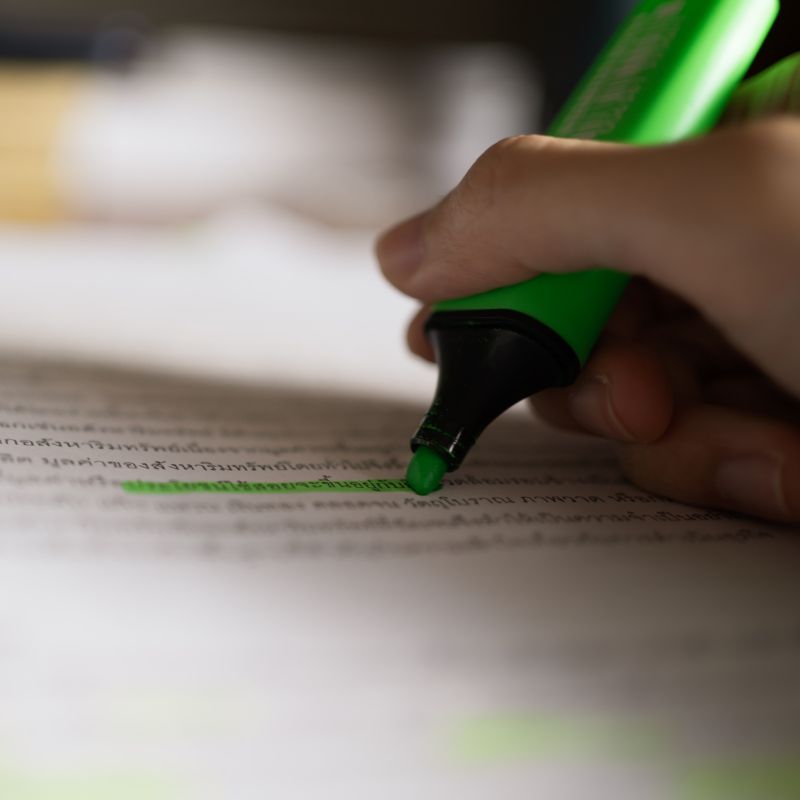
4. Double-Spacing and Highlighters (a Dyslexia Trick That Works for Everyone)
I’ve got mild dyslexia, which means I can sometimes stumble when reading straight off a dense page. My workaround? I double-space scripts and highlight my lines.
Even if you’re not dyslexic, this can help slow your eye down and improve accuracy. Bonus: it keeps you locked into your part of the story—and not distracted by everyone else’s lines.
5. Your Studio Matters… But Not as Much as Your Ears
Yes, gear matters. Mic, interface, room treatment—all important. But none of it matters if you’re not listening.
You’ve got to train your ear as much as your voice. Play back your reads. Listen for noise, pitch changes, weird mouth clicks. Listen to how pros handle timing and tone. Listen like an editor. It’ll change how you perform.
And if you’re not sure where to start, I’ve got a gear list I send to new students. Happy to share it.
6. Always Have Two Takes
I tell my students this all the time: record two takes, and make the second one count. Your first take is probably what 90% of people will do. Your second take? That’s where you get to surprise someone.
Some of my best bookings came from “the weird take” that I almost didn’t send.
7. Character Work Isn’t About Funny Voices
Yes, I’ve played frogs, cockroaches, and monsters. But the ones that stick? Those characters had soul.
A good character voice isn’t about how wild or wacky it sounds. It’s about grounding it in truth. Even Rasputin the Mad Frog had a reason for being mad—and it wasn’t just because of his voice.
Bonus: Get a Mentor (or Become One)
I wouldn’t be here without the people who took time to teach me. And I try to pay that forward whenever I can—through workshops, one-on-ones, and now, a new mentorship program I’m building.
If you’re serious about VO, find someone who’ll listen to your reads and give it to you straight. And when you’ve been at it a while—be that person for someone else.
Final Thought
Voiceover isn’t about having a great voice. It’s about using it well.
It’s about story. Play. Curiosity. And showing up like a pro, even when the copy’s dry and your coffee’s cold.
If you’re in this for the long haul, keep the mic warm and the ego cool. And above all—keep having fun. That’s how the good stuff happens.